Cast Away Your Worries: The Ultimate Fly Fishing Adventure Guide
Hey, anglers! Ever dreamed of standing knee-deep in a rushing river, flicking a tiny fake bug at a trout that's smarter than your last blind date? Fly fishing is that perfect mix of zen meditation and adrenaline-pumping chaos. Whether you're a newbie wondering if you'll hook yourself first or a seasoned pro chasing that trophy catch, this guide's got you covered. We'll dive into the history, the thrills, the gear (with honest reviews), techniques that'll make you look like a wizard, and even how to turn your catch into a gourmet feast.A Splash Through Time: The History and Cultural Vibes of Fly Fishing
Fly fishing didn't just pop up like a bad cast—it has roots deeper than a bass hole. The earliest vibes trace back to around 200 AD in ancient Macedonia and Rome, where folks like Roman author Aelian described using feathered hooks to mimic insects for catching trout-like fish in rivers. Picture this: No fancy reels, just bent needles and horsehair lines. Fast-forward to Japan around 430 years ago, where ayu fishing kicked off with similar fly tricks. In Europe, it exploded in the Middle Ages, especially in England, where anglers targeted grayling and trout in chalk streams. By the 19th century, Brits like Izaak Walton romanticized it in "The Compleat Angler," turning it into a gentleman's pursuit. Culturally? Fly fishing's a global icon of patience and nature connection. In America, it hit big in the 1700s, with legends like Theodore Gordon pioneering dry flies in the Catskills. It's tied to conservation—think catch- and-release starting in 19th-century Britain to save fish stocks. Today, it's a cultural staple in movies like "A River Runs Through It," blending solitude with community. Why'd it start? Simple: Bugs are tough bait, so imitating them with flies let anglers target surface-feeders without the mess. It's evolved from survival to sport, but the "why" boils down to outsmarting fish in style.Why Fly Fishing Hooks You Harder Than a Trophy Bass
Okay, confession: Fly fishing is addictive because it's not just fishing—it's a full-body workout for your soul. Folks rave about the zen of casting, the thrill of matching wits with a finicky trout, and that "aha!" moment when a fish rises to your fly. It's active relaxation: You're wading, reading rivers, tying flies—beats staring at a bobber! Plus, the community? Fly anglers are like a secret society of creative adventurers, sharing tips over campfires. Disconnect from tech, bond with nature, and hey, it's eco-friendly with catch-and-release. One angler summed it up: "It's friendships, excitement, and teaching others." If you love learning (insects, water flows, techniques), this is your jam. No wonder 7 million folks grab a rod yearly—it's therapy with a side of epic stories.Fish Tales: Species to Target and Monster Records That'll Make You Drool
Fly fishing isn't picky—it targets everything from tiny brookies to beasts that'll snap your line. Common freshwater faves: Trout (rainbow, brown, brook, cutthroat), salmon (Atlantic, Pacific like Chinook or coho), bass (largemouth, smallmouth), grayling, pike, carp, and panfish like bluegill. Saltwater? Bonefish, permit, tarpon, redfish, striped bass, and even triggerfish for underrated fun. In Alaska, snag all five Pacific salmon species plus Arctic char and Dolly Varden. Now, the whoppers: IGFA records are legendary. The all-tackle fly rod striped bass is 64 lbs 8 oz. Arctic char? 32 lbs 9 oz from Canada's Tree River. Monster arapaima at 415 lbs 8 oz on fly—over 13 feet! Lemon shark? 385 lbs on 16-lb tippet, the heaviest on fly. Giant tigerfish at 97 lbs, alligator gar at 130 lbs— these beasts prove fly fishing ain't just for dainty trout.Prime Spots: Where Fly Anglers Flock for the Ultimate Rush
Fly fishers love variety: Rivers for riffles and pools, lakes for stillwater stalking, streams for intimate battles, and saltwater flats for sight-casting. Think fast currents for nymphing or calm eddies for dries. World hotspots? Patagonia (Argentina/Chile) for massive trout in stunning rivers. New Zealand's sight-fishing paradise for kingsize browns. Kamchatka, Russia, for wild rainbows on mouse patterns. Alaska's Bristol Bay for salmon runs. Belize for bonefish/permit slams. England's chalk streams for grayling. U.S. gems: Montana's Missouri River, Idaho's Henry's Fork, or Colorado's Rockies. These spots offer epic scenery and fish that'll test your mettle.Gear Up: Top Fly Fishing Essentials with Real Talk Reviews
Don't skimp on gear—it's your ticket to fun, not frustration. For 2026, here's the cream of the crop.Fly Rods
Mid-priced winners: Sage Classic R8 (best freshwater, smooth action for $800+). Scott Centric ($900) excels in all-around trout casting. Budget? Echo Carbon XL ($200) for 2-6wt versatility. Orvis Superfine Glass ($500) for small streams—fun flex!Reels
Top picks: Orvis Battenkill (reliable click-pawl, $150). Mid-range: Lamson Liquid ($150-200) for smooth drag. Premium: Abel or Hatch for saltwater beasts ($400+).Nets
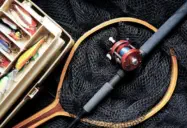
Rubber-mesh wonders: Fishpond Nomad ($130) for catch-and-release kindness. Affordable: Frabill Power Stow ($50) folds easy.Flies
Wet flies: Woolly Bugger (versatile streamer, tie or buy packs for $20/dozen). Dry: Adams Parachute ($15/dozen) for mayfly magic.DIY Magic: How to Tie Your Own Flies (And Gear to Get Started)
Tying flies? It's like crafting your own fish magnets—satisfying and wallet-friendly. Start simple: Woolly Bugger or Pheasant Tail Nymph. Steps: Secure hook in vise, wrap thread base, add materials (hackle, dubbing, beads), whip finish. Need: Vise ($50-200, Renzetti Traveler best for $200), bobbin, scissors, hackle pliers, whip finisher. Materials: Hooks ($10/pack), threads ($5), feathers/dubbing ($20 kits). Skip cheap kits—buy quality tools separately. Reviews: Dr. Slick tools ($20-50) for sharp cuts; Hareline dubbing ($5) for fluffy bodies. Pro tip: Watch YouTube tutorials—tie 10 of one pattern to master it.Level Up: Learning Fly Fishing and Why Guides Are Your Secret Weapon
Newbie? Start with basics: Practice casting in a park (overhead, roll casts). Books like "The Orvis Fly-Fishing Guide" or online vids from Orvis. Hire a guide! They teach techniques, spot fish, handle logistics—jumpstart your skills and boost catches. Benefits: Access private water, learn species-specific tricks, avoid newbie mistakes. Worth it for trips or skill boosts.Master the Art: How to Fly Fish Like a Pro
Reading the Water
Scan for seams (where fast/slow water meets), eddies behind rocks, deeper pools—fish hide there for food/oxygen. Winter? Deeper, slower spots.Choosing the Fly
Match the hatch: Size first, then shape/color. Dry for surface feeders, nymphs mid-water, streamers for aggressors. Cold/dirty water? Bigger profiles.Approach and Casting Spots
Sneak from downstream to avoid spooking. Cast upstream for dries, across/down for swings. Pick spots with cover/food funnels.When to Switch Spots
No hits after 10-15 casts? Move—fish might be elsewhere. Change flies first.Catching, Reviving, Storing, Cleaning, Cooking
Set hook gently upstream. For C&R: Wet hands, quick photo, revive by facing upstream in current till it swims off. Keeping? Bonk, bleed gills, ice immediately. Store in cooler with ice bags—drain water. Clean: Scale, gut, fillet (sharp knife essential).Recipes for Your Fly Fishing Catch:
Grilled Trout: Season with salt/lemon/herbs, grill 4-5 min/side. Serve with garlic butter. Baked Salmon: Rub with olive oil, dill, bake at 375°F for 15-20 min. Add lemon slices. Pro: Quick-freeze extras in wax paper for later.Popular Fly Fishing Techniques and Best Times Fish
Nymphing for subsurface, dry-fly for rises, streamers for big predators. Dawn/dusk prime (hatches galore), spring/fall for trout, summer evenings for bass.Wallet Watch: Costs to Dive In and Hit the Water
Just like any type of sportsmans activities like hunting or fishing, fly fishing does have some pricey startup costs to get started. Starter kit: $200-500 for rod/reel/line/waders. Full setup? $400-600. Trip: Day guide $700-800, multi-day lodge $4,000+ (e.g., Iceland $4k for 3 days). Budget hacks: Used gear, public waters.Pack Smart: What to Bring on Your Fly Fishing Quest
Essentials: Rod/reel, flies, tippet/leaders, nippers, forceps, floatant, net, polarized sunnies, hat, rain jacket, waders/boots, vest/pack, water/snacks. Extras: Sunscreen, bug spray, first-aid, camera. For trips: Spare spools, wool socks, breathable layers. There you have it—your fly fishing bible! Grab that rod, hit the water, and remember: The worst day fishing beats the best day working. Tight lines!Hunting Gear & Supplies Store
Find all the top hunting gear and supplies for your next fishing adventure at the Mendenhall Outdoors Hunting Gear & Tackle Store.Cottages and Vacation Home Rentals
Looking for place to stay on your next hunting adventure? Expedia has vacation homes, hotels, motels, cabins, and cottages for many locations that would be great for your next vacation, all at really great prices. Start your adventures today.About The Author
Mike Mendenhall is the the founder of Lunker Hunter. This website is an extension of the Mendenhall family’s lifestyle and passion for the great outdoors. Everything that they learn, and experience, along the way that they find may be valuable to our website visitors is on the site for you to enjoy. We highlight products and services that you might find interesting. We frequently receive free products from manufacturers to test. This does not drive our decision as to whether or not a product is featured or recommended. If you click a link on this page, then go on to make a purchase, we might receive a commission – at no extra cost to you, and does not impact the purchase price of any products that you may purchase.
Fly Fishing Gear
Gear Type
Budget Pick
Premium Pick
Why It Rocks
Rod
Echo Carbon XL ($200)
Sage R8 ($800+)
Versatile for beginners;
buttery casts for pros
Reel
Orvis Battenkill ($150)
Hatch Finatic ($500+
Simple reliability;
bombproof drag
Net
Frabill Power Stow ($50)
Fishpond Nomad ($130)
Compact; gentle on fish
Flies
Umpqua Packs ($20/doz)
Custom Ties ($30/doz)
Essentials; durable patterns











Design by Mendenhall Family Enterprises
LUNKER HUNTER © 2026
Privacy Policy
copyright